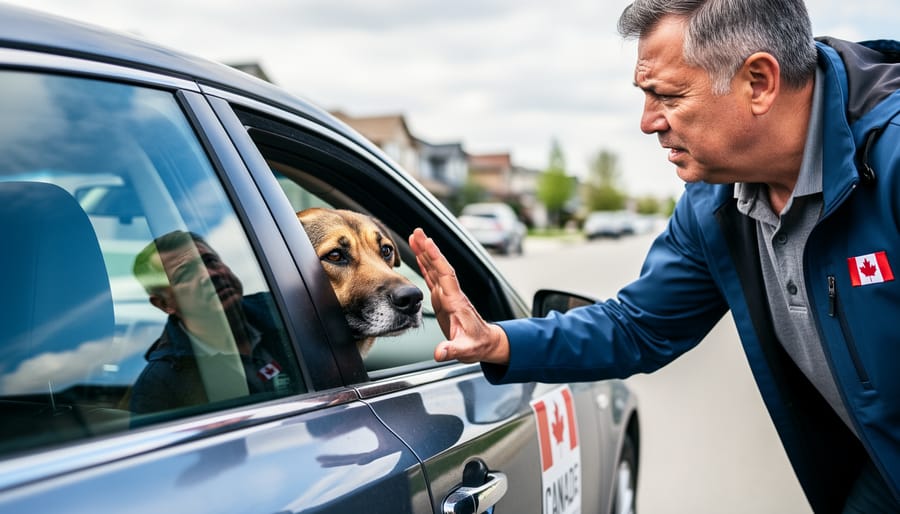
In Canada, you generally do not have a legal right to rescue an animal that belongs to someone else. Our laws treat animals as property, so breaking into a hot car, cutting a chain, or taking a dog from a yard can expose you to charges like mischief or theft, even when your intentions are good. There is no national “right to rescue” statute. What exists is a patchwork of provincial animal welfare rules, narrow emergency powers for police and animal protection officers, and a growing push to change the rules.
That gap matters. When a dog is struggling in a locked vehicle on a scorching afternoon, the law asks a bystander to weigh a suffering animal against personal legal risk. Some provinces give limited protection to people who act to save an animal in distress, but the conditions are strict and the outcome depends on where you live and what you do first. Calling authorities before acting is usually your safest move, and sometimes your only defensible one.
This guide lays out what the law actually says, why property rules shape every rescue, and what could happen to you if you step in. We’ll look at the court cases that tested these limits, the community rescuers doing hard work with little legal cover, and the policy fight over reform. For the legal groundwork, start with our breakdown of animal law in Canada. For the activists who have pushed the boundaries, see how protest has shaped the debate, and for the people doing the daily work, read about community rescue networks.
Why Canadian Law Still Treats Animals as Property
In Canada, the starting point is blunt: an animal is, in law, something you own. That single idea explains why a rescuer can act out of pure compassion and still end up facing a theft or mischief complaint. The animal’s owner has property rights, and those rights usually win unless a recognized authority steps in.
Animal cruelty does sit in the Criminal Code, in Part XI, which deals with wilful and forbidden acts in respect of certain property. Read that heading again. The very place cruelty lives in federal law is the section on damage to property. The main Criminal Code animal cruelty offence makes it a crime to wilfully cause an animal unnecessary pain, suffering or injury, or to abandon or neglect one. That matters, but it punishes harm after the fact. It doesn’t hand ordinary people any power to step in while an animal is suffering.
Critics, including lawyers, veterinarians and animal advocates, have pushed back on these provisions for years. The wording dates back more than a century, the language around “wilful” conduct and “unnecessary” suffering is hard to prove, and penalties have often struck people as far too soft for serious abuse. Prosecutors face a high bar, and many neglect cases never reach it.
Provinces and territories fill some of the gap with their own animal welfare statutes, and this is where things get uneven. These laws typically define “distress,” set minimum standards of care, and give inspectors or officers the authority to act. But the definitions, enforcement resources and protections for people who help differ from one jurisdiction to the next. What counts as a lawful intervention in one province may be a risky gamble in another, and rural or remote areas often have far fewer officers to call.
This is the kind of patchwork that tends to land hardest on those with the least power, a pattern we’ve explored in our look at how legislation shapes marginalized and voiceless groups. When the law treats a living, feeling being as property, the only voice in the room belongs to the owner. Everyone else, however well-meaning, is a bystander with no clear standing.

What Happens When Rescuers Step In: Distress, Consent and Liability
Hot Cars, Livestock Transport and the Gray Zones
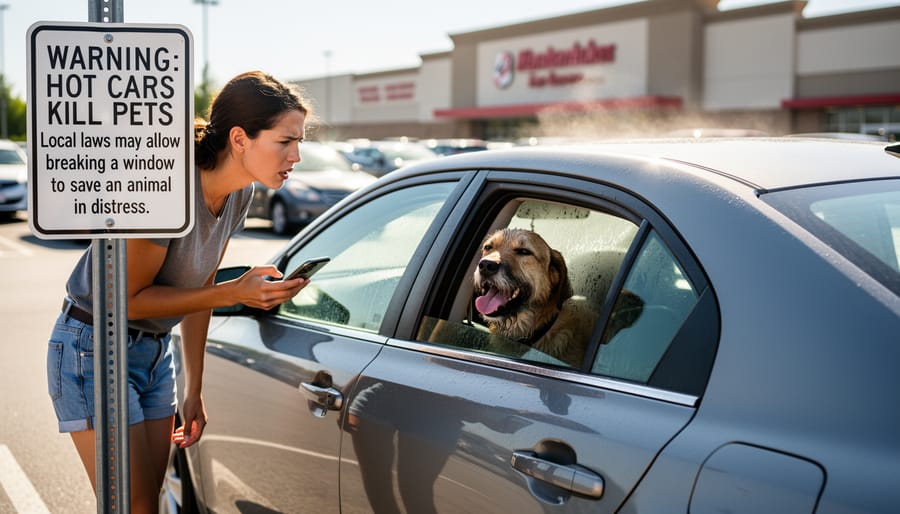
Few situations test the “right to rescue” like a dog panting in a parked car on a July afternoon. Interior temperatures can climb dangerously within minutes, and a bystander has to decide fast: call for help, or act alone.
The law does not make that choice easy. A few provinces have moved to give ordinary people some cover. British Columbia and Ontario, for example, have amended their animal welfare rules to allow certain steps when an animal is in distress inside a vehicle, usually after trying to find the owner and contacting authorities. Other provinces offer little or nothing in writing, which means a rescuer who smashes a window could still face a mischief charge or a civil claim for the damage. The details differ on who qualifies, what you must do first, and whether you are protected at all, so assuming a safe harbour exists is a real risk.
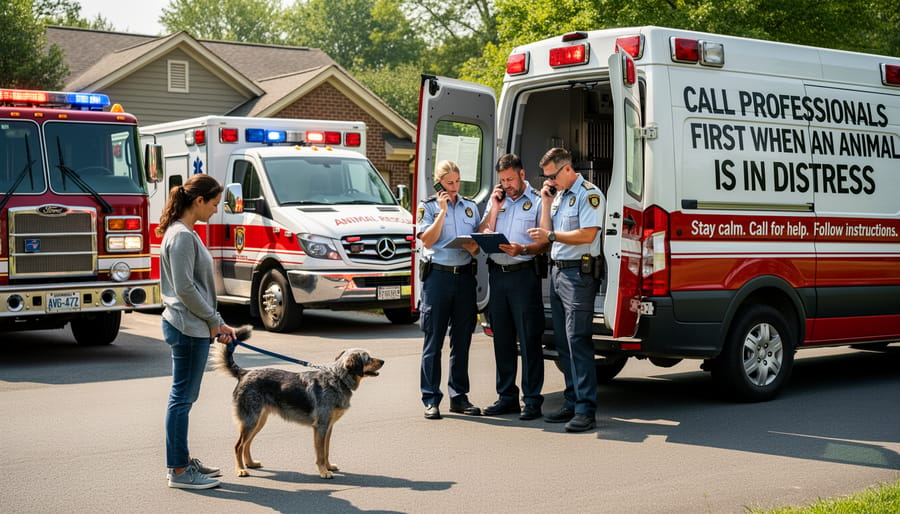
Livestock raises harder questions. Animals in transit or on farms in visible distress fall under a different mix of rules, and private citizens generally have no authority to intervene or take an animal. The people with legal power to act are peace officers and provincial animal protection officers, so a concerned onlooker’s best move is usually to document what they see and report it quickly.
Because this patchwork shifts as provinces amend their statutes, check your province’s current animal welfare legislation before you ever need it. When in doubt, call police or your local animal protection agency first.
Vigils, Protests and the Pig Trailer Cases: When Compassion Meets the Courts
In 2015, Anita Krajnc, co-founder of Toronto Pig Save, was charged with criminal mischief after she gave water to pigs in a transport truck waiting outside an Ontario slaughterhouse. The image was simple and hard to forget: a woman holding a water bottle to thirsty animals on a hot day. The charge, though, asked a bigger question about who gets to decide what compassion is allowed to look like.
At trial in 2017, the Ontario Court of Justice acquitted Krajnc. The judge found the Crown had not proven that she had interfered with the lawful use or enjoyment of property, and described her actions as a gesture of compassion rather than an obstruction. The Crown appealed, and the Ontario Superior Court upheld the acquittal in 2018. Importantly, none of this created a right to rescue animals or to take them. The decisions were narrow. They turned on whether the elements of the mischief offence were proven, and they did not declare that animals are anything other than property.
Governments responded to these vigils. Alberta, Ontario and Quebec have all passed legislation framed as protecting farms and food safety from trespass, and the details differ in each province. Ontario’s laws, for example, restrict entering farms and, in some circumstances, interfering with transport vehicles. Supporters say these laws guard against biosecurity risks and harassment of farmers, and those concerns are real. Critics counter that they chill legitimate witnessing and make it harder for the public to see how animals are treated. Check the current text of each statute before relying on any summary, because provisions and court challenges can change.
Here’s where we land: transparency is in the public interest. Canadians eat, wear and buy the products of these industries, and they have a stake in knowing how animals are handled along the way. A law that quietly punishes someone for offering water to a thirsty animal, or for documenting what happens at a loading dock, deserves hard scrutiny, whatever you think about eating meat. Biosecurity and privacy concerns can be met with narrower tools that don’t treat witnesses as threats.
That tension between public scrutiny and private property runs through every protest debate in this country. For a wider look at how these rights hold up under pressure, see our breakdown of protest rights and civil liberties in Canada.
The Rescuers Doing the Work: Sanctuaries, Shelters and Community Networks
Behind every rescue story that makes the news, there are dozens of quieter ones carried by people who work within the law, and sometimes right at its edges. Here are the kinds of groups doing that work across the country:
- Provincial SPCAs and humane societies, which often employ agents with statutory powers to investigate distress complaints and take in seized animals.
- Independent sanctuaries, which give long-term homes to farm animals and others who have nowhere else to go.
- Foster networks, which place animals in volunteers’ homes when shelters are full or an animal needs recovery time.
- Community-led and queer-run rescue groups, which often build trust with people who feel unwelcome at larger institutions.
- Indigenous and northern community initiatives, which respond to free-roaming dogs where there is no shelter or vet nearby.
These groups don’t all hold the same powers. Only designated officers can legally seize an animal. Everyone else relies on consent, surrender agreements and relationships, which is exactly why the “right to rescue” question matters so much to them.
The gap in access is real, and it shapes who can be helped. A resident of Toronto or Vancouver can usually reach a clinic in minutes. In many remote and First Nations communities, the nearest veterinarian may be a flight away, and spay and neuter services arrive only when a visiting clinic is organized. When the services aren’t there, the work falls to neighbours, volunteers and community-run programs, often with little funding and plenty of heart. Many of these efforts are grounded in an Indigenous understanding of kinship with animals, not a charity model imported from outside.
That’s why the conversation about the responsible care of animals can’t stop at the Criminal Code. It has to include who gets resources and who gets left out. Stories of Indigenous-led community action show what’s possible when people closest to a problem lead the response, and the same spirit drives community-led mutual aid networks that quietly keep pets with the families who love them. Seeing it that way connects animal rights and equity as one struggle, not two.
If you want to understand this work, go local. Reach out to your regional SPCA or humane society, a nearby sanctuary or a community rescue group, and listen to the people doing it. Their voices tell the story better than any statute can.
The Push for Reform: What a Real Right to Rescue Could Look Like
Reform rarely arrives in a single dramatic vote. It builds slowly: advocates document the gaps, lawyers test them in court, and legislators eventually feel enough public pressure to act. Canada’s animal cruelty provisions have sat in the Criminal Code for generations, and critics from across the legal and advocacy world argue they still reflect an era when animals were purely property. Modernizing them would mean treating cruelty as harm done to a living creature, not just damage to someone’s belongings.
A second thread is protection for people who step in. Proposals typically focus on good-faith immunity: if you act reasonably to save an animal in clear distress, after trying to reach authorities, you shouldn’t face charges or a civil claim for it. Several jurisdictions elsewhere have written versions of this into law, particularly for animals trapped in vehicles, and the contrast with Canada’s patchwork is hard to ignore. A third thread is the push to recognize animals as sentient beings, a status some countries have already enshrined in statute. It doesn’t hand animals human rights. It simply tells courts and lawmakers that suffering matters.
Here’s the unapologetic part: a person who smashes a window to save a dog in a lethal heat should not be treated like a thief. Compassion shouldn’t be a liability. Critics worry about vigilantism and about owners’ legitimate property interests, and those concerns deserve real answers, such as clear thresholds, documentation requirements and a duty to call authorities first. But a careful law can balance both. As with so many issues, Canada likes to talk big abroad while ignoring gaps at home, and that’s exactly why fixing our own backyard belongs in this conversation.
Citizens aren’t powerless here. Petitions, letters to your MP or provincial representative, and support for established animal welfare organizations all feed the pressure that moves bills from idea to debate. Check your local rules first, though, because what you can safely do today depends entirely on where you live.

Your Questions About Rescuing Animals in Canada, Answered
Can I break a car window to save a dog?
Maybe, but there’s no blanket Canadian protection. Some provinces offer limited immunity to people who act in good faith, others don’t, so call police or your local animal protection agency first and check your provincial rules.
Can I take a stray or injured animal home?
Not automatically. The animal may belong to someone, so contact your municipal animal services, humane society or SPCA before keeping it.
Who should I call first, and can I be charged or sued for helping?
Start with police or your provincial animal protection agency, and follow their guidance. Taking an animal without the owner’s consent can still carry criminal or civil risk, even with good intentions.
Are protections different in my province?
Yes. Distress definitions, officer powers and rescuer protections vary across provinces and territories, so check your local statute.
None of this is a reason to look away from an animal in danger. It’s a reason to act smart: document what you see with photos and video, note the time and location, and get trained officials moving fast. If you’re weighing a bolder move, speak to a lawyer first. This is general information, not legal advice, but knowing where the lines sit means your compassion can actually protect the animal instead of landing you in court.
Canada does not yet have a right to rescue. Right now, compassion can still get a person charged, sued or simply left guessing at the roadside. That gap between what we feel and what the law allows is a policy failure, and policy can be changed.
So start close to home. Look up your province’s animal welfare statute and learn who has the power to act in an emergency. Save the number for your local animal protection agency before you need it. Support the shelters, sanctuaries and community networks doing this work with too little funding, especially those serving remote and First Nations communities where services are scarce.
Then push. Write to your MP and MLA, sign the petitions, back the advocacy groups pressing to modernize the Criminal Code and protect rescuers who act in good faith.
Finally, tell us your story. Have you stood at a fence line or beside a parked car, unsure what the law would let you do? Share it in the comments. The law will move when enough of us refuse to stay quiet.