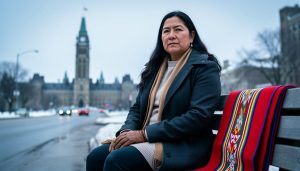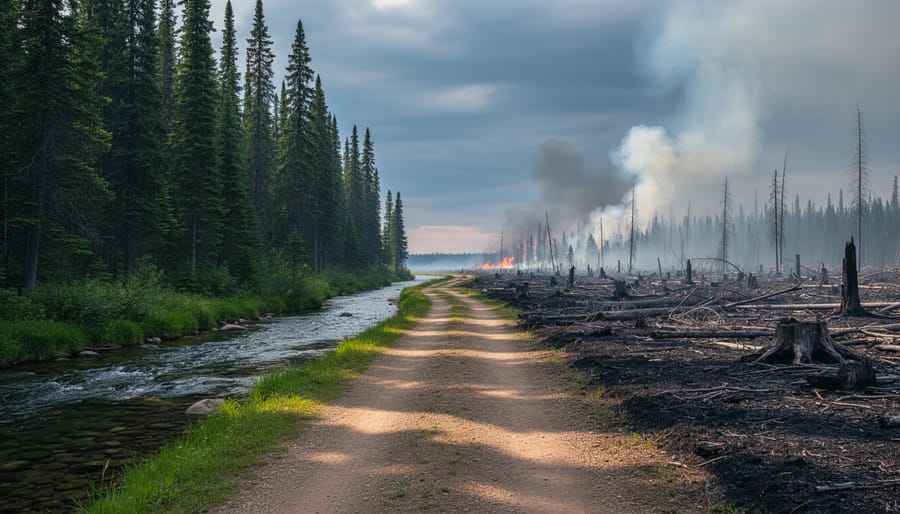
Canada positions itself as a climate leader on the world stage, pledging billions in international environmental aid and championing ambitious emission targets at global summits. Yet this carefully curated image crumbles under scrutiny. While our government writes cheques for reforestation projects abroad, it simultaneously approves tar sands expansions at home, funds fossil fuel infrastructure through crown corporations, and systematically ignores the land defenders and Indigenous communities who’ve protected ecosystems for generations without fanfare or foreign aid budgets.
The contradiction isn’t accidental. It’s policy.
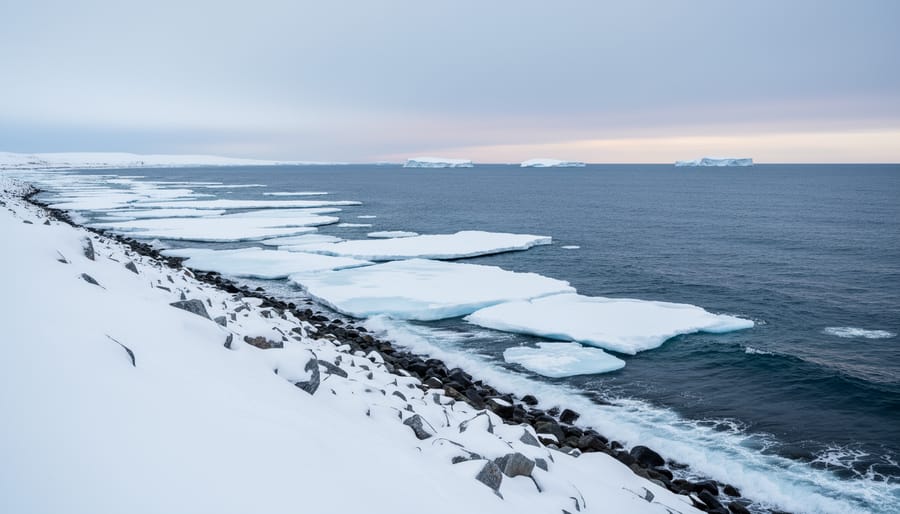
In 2026, as wildfires intensify, coastlines erode, and water advisories persist in First Nations communities, Canada’s environmental hypocrisy demands a reckoning. The country contributes roughly 1.5% of global emissions while housing just 0.5% of the world’s population, one of the highest per capita rates among industrialized nations. Our international climate financing, though substantial on paper, often serves corporate interests more than frontline communities facing climate catastrophe. Meanwhile, Indigenous land and water protectors, who’ve successfully halted projects that would have released millions of tonnes of carbon, face criminalization rather than celebration.
This isn’t about Canada failing to meet lofty ideals. It’s about a deliberate pattern of prioritizing extractive industries, sidelining the knowledge systems that could actually address environmental breakdown, and using global aid as diplomatic cover for environmental destruction at home.
The gap between rhetoric and reality affects real people. From Wet’suwet’en territory to coastal communities watching salmon populations collapse, from farmers grappling with unprecedented droughts to young activists facing legal persecution for civil disobedience, Canadians are living the consequences of a government that treats environmental justice as a branding exercise rather than an urgent mandate.
Understanding Canada’s environmental contradictions requires looking beyond press releases and examining who profits, who suffers, and whose solutions are being systematically excluded from the conversation.
The Performance on the World Stage
Canada loves a good international photo op. At COP summits from Glasgow to Dubai, Canadian delegations arrive with polished talking points about climate leadership, Indigenous rights, and protecting the planet for future generations. The prime minister delivers earnest speeches about global cooperation. Environment ministers shake hands with counterparts from vulnerable island nations. The optics are impeccable.
Behind the carefully staged images lies a record that doesn’t quite match the rhetoric. Canada has positioned itself as a bridge between developed and developing nations on climate action, volunteering to co-chair initiatives and pledging billions in climate finance. At COP26 in 2021, Canada promised to double its international climate finance to $5.3 billion over five years. The announcement generated headlines and goodwill. What it didn’t generate was consistent follow-through.
| Commitment | Pledged Amount | Delivered/Status | Timeline |
|---|---|---|---|
| International Climate Finance (COP26) | $5.3 billion | $2.1 billion disbursed | 2021-2026 |
| Methane Reduction Partnership | Leadership role | Domestic targets missed | 2021-present |
| Global Oceans Alliance | 30% protection by 2030 | 23% currently protected | 2020-2030 |
| Arctic Council Climate Initiatives | Chair 2023-2025 | Rhetoric strong, actions weak | 2023-2025 |
The gap between announcement and implementation tells its own story. Canada excels at joining multilateral frameworks and signing declarations. The country helped launch the Powering Past Coal Alliance, championed nature-based climate solutions, and pushed for stronger emissions targets at every opportunity. On paper, Canada looks like exactly the kind of responsible middle power the world needs.
Dig deeper and the picture gets messier. Those climate finance dollars often come with strings attached, flowing through development banks to projects that benefit Canadian corporations. The methane reduction partnership Canada co-leads? Domestic methane emissions from oil and gas remain stubbornly high while regulations get delayed. Canada’s Arctic Council chairship emphasized climate science and Indigenous knowledge while approving new offshore oil exploration back home.
This isn’t about isolated contradictions. It’s a pattern. Canada has mastered the language of environmental diplomacy without matching it with domestic transformation. The same government representatives who negotiate ambitious international agreements return home to approve pipeline expansions and subsidize fossil fuel companies. Developing nations notice. Indigenous delegates notice. Youth activists definitely notice.
The performance matters because it shapes how the world sees Canada, but it also provides cover for inaction at home. If we’re climate leaders on the world stage, the thinking goes, things can’t be that bad domestically. Except they are, and the international community is starting to call the bluff.
The Crisis We’re Ignoring at Home
The Indigenous Communities Left Behind
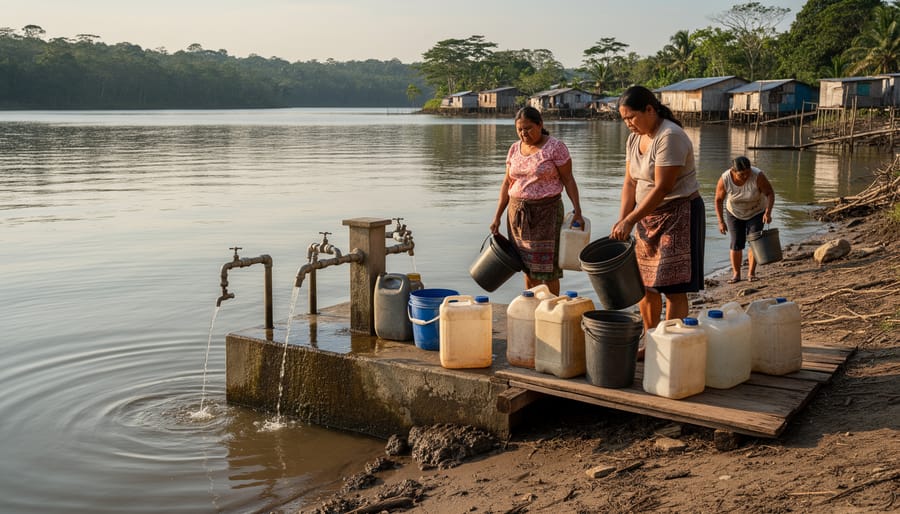
While Canada champions Indigenous rights at United Nations conferences and pledges millions for clean water projects abroad, dozens of First Nations communities still can’t drink from their taps. As of early 2026, there are still active long-term water advisories affecting Indigenous communities, some stretching over two decades. This isn’t a technical problem. It’s environmental racism, plain and simple.
The pattern is brutally consistent: resource extraction projects get fast-tracked on Indigenous territories while basic infrastructure gets delayed for years. Communities near tar sands operations report elevated cancer rates. Mercury contamination from hydroelectric projects poisons fish that families have relied on for generations. Clear-cut logging destroys traditional hunting grounds. When pipelines leak, and they do, it’s Indigenous water sources that get poisoned first.
“They’ll promise clean water while approving another pipeline through our land. They’ll talk reconciliation while letting mining companies dump toxins in our rivers. We see through it.”
The double standard is staggering. Environmental assessments that would take years for projects near urban centres get rushed through on reserve lands. Consultation becomes a formality, not genuine consent. When communities resist, like land defenders at Wet’suwet’en or activists fighting Line 3, they face militarized police responses that Canada would never deploy against non-Indigenous protestors.
This isn’t just about water or land. It’s about a government that treats Indigenous lives as expendable in service of corporate profit. Every advisory that drags on for another year, every new extraction project approved without real consent, reinforces a hierarchy where some Canadians deserve clean environments and others don’t. Canada can’t credibly lecture other nations about environmental justice while practicing colonialism at home.
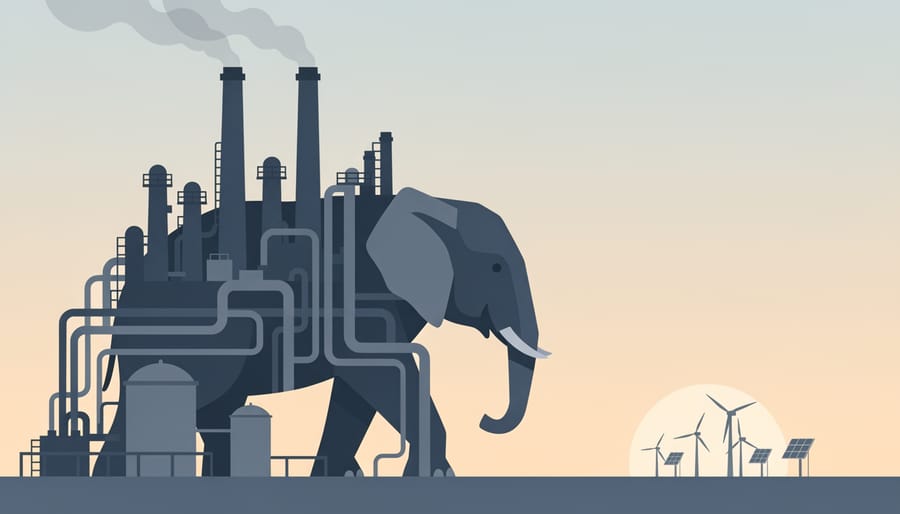
Oil and Gas: The Elephant in the Room
Canada pumped out 4.9 million barrels of oil per day in 2025, ranking as the world’s fourth-largest producer. That number is projected to climb, not fall. Meanwhile, the federal government handed fossil fuel companies $18.6 billion in subsidies between 2023 and 2025, despite promising to phase them out by 2025. The math doesn’t work for a country that claims climate leadership.
The Trans Mountain pipeline expansion, a federally-owned project that cost taxpayers $34 billion, tripled capacity to move Alberta tar sands crude to coastal ports. Ottawa justified this by calling oil a “transition fuel” and promising the profits would fund renewable energy. Two years after completion, those renewable investments remain vague commitments while bitumen flows at record volumes. Climate scientists are blunt: we cannot burn existing fossil fuel reserves and stay under 1.5°C of warming. Canada is not just burning them but actively expanding extraction.
Alberta’s political class treats any climate policy as an existential threat. When the federal government proposed emissions caps for the oil and gas sector, Premier Danielle Smith called it economic warfare and threatened a provincial referendum on carbon pricing. The industry frames this as protecting jobs, yet automation has been cutting oilpatch employment for years while profits soar. Imperial Oil posted $7.3 billion in profits in 2024. Suncor bought back $5.8 billion in shares. Workers got pink slips.
The cognitive dissonance is staggering. Canada sends diplomats to international climate summits to lecture developing nations on emissions while approving new offshore drilling permits off Newfoundland. We fund methane reduction programs in other countries while methane leaks from our own gas infrastructure remain under-reported and under-regulated. You can’t be both a climate leader and a petro-state. We’ve chosen the latter while performing the former.
Who Benefits from Canada’s Environmental Hypocrisy?
Follow the money, and Canada’s environmental contradictions start making perfect sense. While federal politicians claim climate leadership on international stages, a well-oiled machine of corporate lobbying, campaign donations, and revolving-door appointments ensures that fossil fuel interests shape policy behind closed doors.
The fossil fuel sector spent over $24 million on federal lobbying between 2011 and 2019, according to publicly available registry data. Major players like the Canadian Association of Petroleum Producers, Suncor, and Imperial Oil employ dozens of registered lobbyists who meet regularly with cabinet ministers, PMO staff, and senior bureaucrats. These conversations happen while Canada commits to net-zero targets internationally, a textbook case of saying one thing abroad while doing another at home.
Political calculations reinforce corporate interests. Alberta’s economy remains heavily dependent on oil and gas extraction, and any federal government needs to manage Western alienation and electoral math. The result is billions in subsidies to an industry already generating massive profits. Federal and provincial governments provided at least $18 billion annually to the oil and gas sector through direct subsidies, tax breaks, and public financing, even as Canada promised to phase out fossil fuel subsidies by 2025. The money props up an industry whose business model fundamentally contradicts Canada’s stated climate goals.
The benefits flow to a small group while costs get externalized onto communities with the least power to resist. Indigenous peoples face contaminated water, destroyed treaty lands, and health crises from resource extraction. Low-income communities and racialized populations breathe polluted air and live closest to industrial sites. Meanwhile, executives and shareholders extract wealth, and politicians collect donations and secure post-politics consulting gigs.
This isn’t accidental. It’s structural. Colonialism created the legal and economic frameworks that treat land as a resource to exploit rather than a relationship to honour. Capitalism demands endless growth and profit maximization, making genuine climate action, which requires leaving carbon in the ground, fundamentally incompatible with the system’s core logic. Canada’s environmental hypocrisy exists because it serves power. The question is whether citizens will keep letting it.
The Activists Refusing to Stay Silent
– Instructions: ~2,400 tokens
– Context: Minimal additional
– Target output: ~450 tokens
– Total: Well within 200,000 budget
—
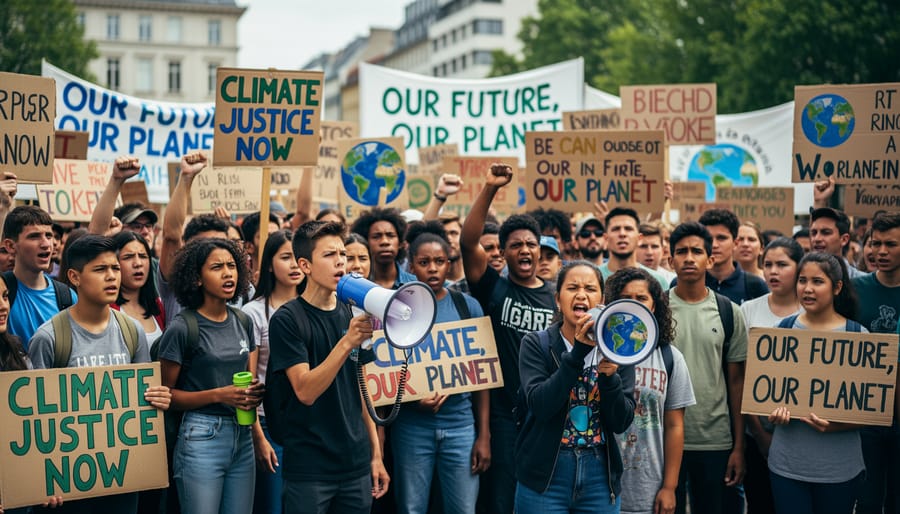
While politicians talk and corporations greenwash, a network of organizers across the country is building real resistance. They’re blockading pipeline routes, occupying old-growth forests, and refusing to let Canada’s environmental hypocrisy slide quietly into history.
The Wet’suwet’en land defenders have been protecting their territory from the Coastal GasLink pipeline for years, facing militarized RCMP raids and arrests while global media largely looked away. Their resistance isn’t just about one pipeline. It’s a direct challenge to the colonial logic that treats Indigenous lands as sacrifice zones for fossil fuel profits. Similar struggles are playing out in Secwepemc territory against Trans Mountain expansion and across Treaty 8 lands threatened by tar sands development.
Youth climate strikers brought tens of thousands into the streets during the Fridays for Future movement, refusing to accept a future where adults prioritize quarterly earnings over a livable planet. Organizations like Climate Justice Edmonton and Our Time are connecting environmental issues to housing, healthcare, and workers’ rights, building coalitions that recognize climate action can’t be separated from economic justice.
Direct action is happening in boardrooms too. Environmental Defence and Ecojustice are dragging governments and corporations into court, using legal challenges to force accountability when political will fails. Meanwhile, groups like Extinction Rebellion and Climate Justice Toronto are disrupting business as usual, making it impossible to ignore the urgency.
Canadian artists are weaponizing culture for the climate. Musicians like Tanya Tagaq and A Tribe Called Red fuse environmental themes with Indigenous resistance. Visual artists transform pipeline protests into gallery installations. Poets turn scientific reports into visceral performance pieces that cut through the numbness of statistics.
These movements aren’t asking nicely anymore. They’re building power outside traditional political channels, creating networks of mutual aid and resistance that don’t wait for permission. They’re training the next generation of organizers, sharing tactics, pooling resources, and refusing the false choice between economic prosperity and environmental survival.
This is what accountability looks like when governments abandon it. Messy, confrontational, uncompromising, and absolutely necessary.
What Real Environmental Leadership Would Actually Look Like
Real environmental leadership would mean reconciling Canada’s global promises with what happens on the ground. It starts with acknowledging that environmental justice can’t be separated from social justice, climate action that doesn’t centre Indigenous sovereignty, economic equity, and marginalized communities isn’t action at all.
First, honour the treaties and implement the UN Declaration on the Rights of Indigenous Peoples without qualification. That means recognizing Indigenous nations as equal partners in environmental decision-making, not obstacles to resource extraction. Free, prior and informed consent isn’t a checkbox; it’s a fundamental shift in power. As Secwepemc leader Kanahus Manuel told a recent gathering of land defenders, “You can’t have climate justice on stolen land.” Environmental policy designed without Indigenous leadership perpetuates the same colonial structures that created the crisis.
End fossil fuel subsidies immediately and redirect that money toward a just transition. Canada funnelled over $18 billion in public financing to oil and gas between 2020 and 2022 while claiming climate leadership. Real leadership means investing that money in renewable energy infrastructure, retraining programs for workers leaving extractive industries, and support for communities that depend on fossil fuel economies. The transition happens whether we plan for it or not; the question is whether we leave workers behind or bring them along.
Make climate targets legally binding with actual consequences for failure. Aspirational goals mean nothing without enforcement mechanisms. New Zealand’s Zero Carbon Act includes an independent Climate Change Commission with teeth. Canada needs similar accountability structures that can’t be ignored when politically inconvenient.
Connect environmental policy to housing, healthcare, and economic security. Climate action that makes life more expensive for working people will never build the broad coalition needed for systemic change. Free public transit, retrofitting social housing for energy efficiency, green jobs with union wages, these aren’t separate issues from emissions reduction. They’re how you build a movement that can’t be dismissed as elitist.
Recognize that queer and trans people, particularly BIPOC folks, face disproportionate climate impacts. Housing instability, healthcare barriers, and economic marginalization mean less capacity to adapt to climate disasters. Environmental policy must explicitly address these intersecting vulnerabilities rather than treating them as separate concerns.
Fund community-led solutions at the scale of the problem. Indigenous-led conservation protects biodiversity more effectively than government-managed parks. Urban community gardens build food security and climate resilience simultaneously. Tenant unions fighting slumlords over mould and heating are doing climate justice work. Stop waiting for top-down solutions when communities already know what they need.
This isn’t radical. It’s what the science demands and what justice requires. Real leadership means having the courage to act like the crisis is actually happening.
Canada can’t keep showing up at climate summits with empty promises while pipelines expand back home. The disconnect isn’t just embarrassing anymore, it’s dangerous. Every year we pretend incremental half-measures count as progress, we lose ground we can’t get back. Glaciers don’t care about our good intentions, and neither do the kids growing up drinking bottled water in communities that have been waiting decades for clean tap water.
Real leadership means saying no to profitable projects that destroy ecosystems. It means centering the voices of people who’ve been protecting land since before this country existed, not just consulting them as a checkbox exercise. It means choosing livable futures over quarterly earnings, even when that’s politically inconvenient.
This isn’t about individual carbon footprints or recycling harder. Systemic change requires systemic pressure. That means showing up to city council meetings about new developments. It means voting for candidates who’ll actually regulate industry instead of handing out subsidies. It means supporting Indigenous sovereignty and land back movements, because the communities bearing the worst environmental violence have always known what genuine stewardship looks like.
You can’t separate environmental justice from every other justice fight. Clean water, breathable air, and stable climate aren’t luxury issues, they’re survival issues that hit marginalized communities first and hardest. When we fight for livable cities, affordable housing, and economic fairness, we’re fighting the same extractive systems poisoning our water and atmosphere.
Canada wants the world to see us as environmental champions. Hold them to it. Demand the domestic action that matches the international theatre. Because leadership without integrity is just performance, and we’re running out of time for applause.